Home Builder Trends: What Is Defining the Future of Home Construction?
The home construction industry is undergoing rapid transformation. Key trends are emerging, driven by technological advancements and shifting consumer preferences. Smart home technology, sustainable materials, and flexible designs are at the forefront. As homebuyers prioritize energy efficiency and adaptability, builders must respond to these demands. This shift prompts important questions regarding the direction of home design and its broader impact on neighborhoods. What will the next generation of homes truly look like?
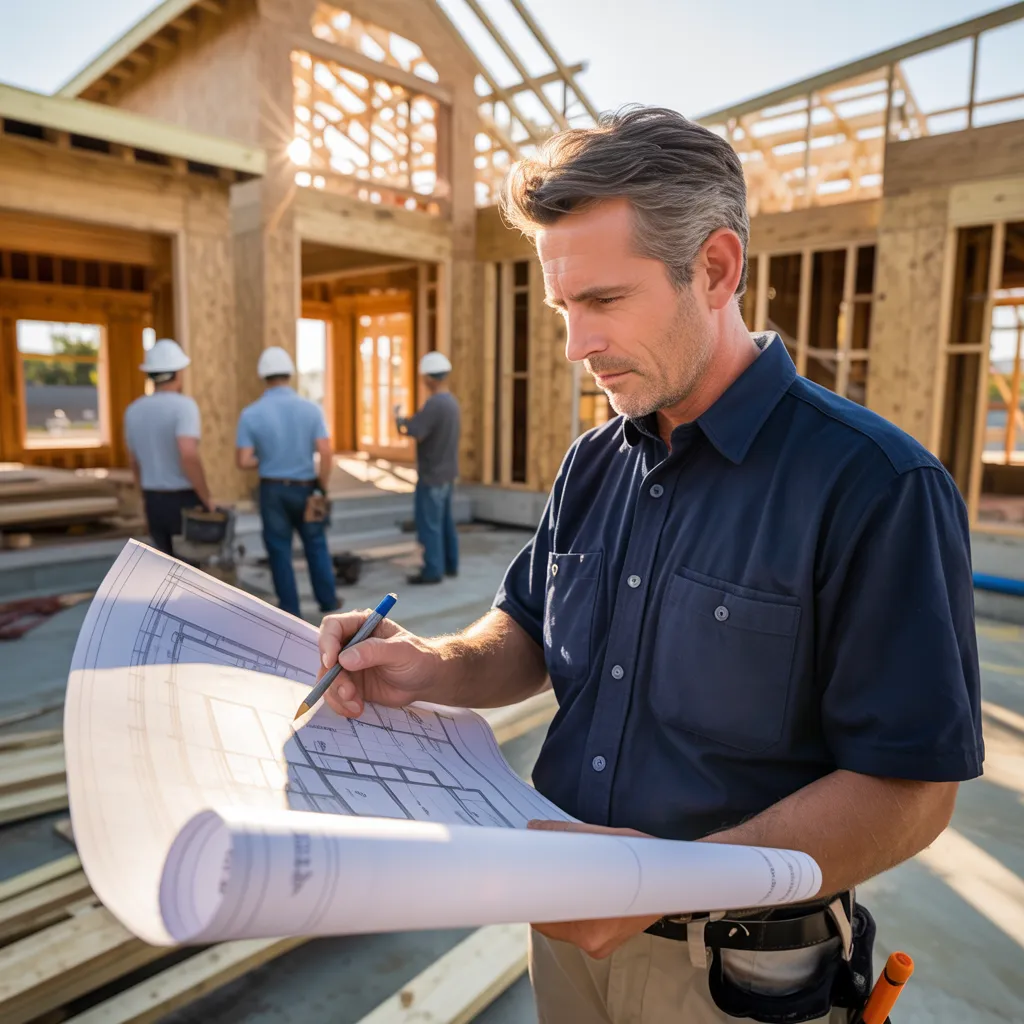
Embracing Intelligent Home Technology within Construction
In recent years, a considerable change has taken place in the construction industry as residential contractors increasingly embrace smart home technology. This trend reflects a growing consumer demand for homes fitted with advanced systems that boost convenience, security, and energy efficiency. Features such as smart thermostats, automated lighting, and integrated security systems are becoming standard in new builds, enabling homeowners to oversee their living spaces remotely through mobile applications.
Construction professionals acknowledge that integrating smart technology not only adds value to properties but also attracts technology-oriented homebuyers. The adoption of Internet of Things (IoT) devices facilitates seamless communication among household systems, fostering a more integrated lifestyle. Furthermore, builders are working alongside tech organizations to confirm that setups are accessible and adaptable to new developments. As the market progresses, the embrace of smart home technology is positioned to reshape how people live today, making it a crucial consideration for future construction projects.
Eco-Friendly Building Materials in Home Construction Trends
The increasing focus on smart home technology is matched by a corresponding interest in sustainable building materials in home construction. Home builders are placing greater importance on eco-friendly options, recognizing their role in reducing environmental impact and boosting energy conservation. Materials such as salvaged timber, bamboo, and recycled steel are growing in demand, reflecting a movement toward resource conservation and sustainability.
Furthermore, breakthroughs in window efficiency and insulation solutions result in decreased energy demands, reflecting the objectives of environmentally conscious homeowners. The integration of sustainable materials not only addresses building regulations but also attracts a market that values ecological responsibility.
As consumers become more aware of their carbon footprints, contractors are adapting by selecting eco-friendly materials that cut down on waste and support healthier living conditions. This trend signifies a broader commitment to sustainability in the construction industry, proving that contemporary residences can be both innovative and eco-conscious.
Designing Flexible Floor Plans for Modern Living
As homeowners increasingly seek adaptability in their living spaces, creating adaptable floor plans has become essential in today's construction industry. These adaptable layouts accommodate diverse lifestyles and evolving family requirements, allowing spaces to serve multiple purposes. Open-plan designs are widely favored, enabling smooth transitions between living, dining, and kitchen areas, while simultaneously allowing residents to reorganize areas as their needs evolve.
Adding flexible walls or multipurpose furniture further enhances functionality, accommodating everything from residential offices to visitor accommodations. The increase in remote work has further impacted these plans, motivating contractors to establish designated work zones that can effortlessly shift into relaxation spaces. In addition, storage arrangements that boost usability without compromising design integrity are essential in these adaptable layouts.
Ultimately, the growing preference for flexible design solutions signifies a wider transformation in the way people approach daily life, emphasizing the necessity of homes that are designed to accommodate shifting ways of life and personal goals.
Energy Efficiency and Green Certifications
The focus on sustainable home building practices has resulted in the growing adoption of eco-friendly building materials and intelligent home systems. These practices not only lower environmental footprint but also elevate the general standard of home environments. As buyers develop stronger environmental awareness, eco-friendly certifications are becoming more significant in the home buying market.
Environmentally Conscious Building Materials
As the demand for environmentally friendly building practices keeps growing, sustainable building materials have emerged as an essential element in boosting energy efficiency and attaining sustainability certifications. These resources, including repurposed steel, bamboo, and reclaimed timber, help minimize resource consumption and decrease carbon emissions. Additionally, advancements in insulation and energy-efficient windows further improve a building's overall performance. Numerous construction professionals are now pursuing certifications including LEED and BREEAM, which not only demonstrate their sustainability efforts but also resonate with environmentally aware purchasers. By focusing on green building materials, home constructors can design properties that lessen ecological impact while supporting healthier living conditions. This change not only fulfills compliance obligations but also reflects the principles of an increasing number of home purchasers.
Intelligent Home Solutions
A major movement in the direction of smart home technologies is reshaping the landscape of sustainable practices and energy standards in residential construction. These technologies empower homeowners to oversee and regulate energy consumption through interconnected devices, improving their consumption habits. Smart thermostats, lighting systems, and appliances play a role in reduced energy waste, significantly reducing utility costs and minimizing environmental impact.
Furthermore, a growing number of smart home technologies are built to meet green certification standards, such as LEED and Energy Star ratings. Such adherence not only improves a home's property value but also captures the interest of green-focused buyers. As developers continue to weave smart solutions into their designs, the demand for sustainable living solutions continues to grow, shaping a more environmentally responsible future in residential building.
Multi-Generational Living Areas: Creating Spaces for All
As multi-generational living becomes increasingly popular, residential designs are adapting to meet the needs of diverse families. Flexible floor plans allow for adaptability, while secluded retreat zones deliver private space for every member of the household. Additionally, shared communal spaces foster connection and collaboration, improving the shared living environment across all age groups.
Dynamic Floor Plans
Versatile floor plans are becoming indispensable in contemporary residential design, particularly for accommodating multi-generational family arrangements. These adaptable layouts provide residents with multifunctional environments that shift to satisfy the shifting demands of family life. By incorporating features such as open living spaces, adjustable partitions, and multipurpose rooms, families can design spaces that encourage connection while preserving personal space. This versatility embraces a range of living preferences, enabling families to share resources without compromising individual comfort. Additionally, the rise in remote work has heightened the demand for purposeful home office spaces within these properties. As construction professionals incorporate these concepts, the emphasis stays on creating residences that honor the varied requirements of households, ensuring that every member has a suitable place to thrive.
Secluded Retreat Spaces
Developing secluded refuge zones inside multigenerational households allows for a peaceful balance between shared living and private independence. These carefully allocated zones serve the diverse needs of individuals within the home, providing a sanctuary for rest or productive pursuits. Intentionally crafted, these retreats often include attributes such as warm reading alcoves, dedicated work areas, or tranquil outdoor living spaces, encouraging a sense of independence. Custom home designers are more frequently including noise reduction features and flexible floor plans to guarantee peace and quiet. By championing these dedicated refuge zones, families can deepen their relationships while acknowledging each person's desire for solitude. Above all, these designs underscore a increasing recognition of the significance of emotional health in multigenerational household settings.
Communal Living Areas
The layout of these spaces prioritizes functionality and accessibility, supporting the diverse abilities of all generations. Integrating adjustable furnishings and innovative technology can enhance usability, creating opportunities for all members to take part. With more professional advice families adopting this lifestyle, developers are placing greater emphasis on common living areas, understanding their value in establishing balanced living settings that strengthen bonds while preserving personal autonomy.
How Urbanization Is Transforming Home Design?
How does urbanization influence contemporary home design? Urbanization promotes a transition toward compact, multifunctional living areas, demonstrating the demand for making the most of limited urban space. As urban areas expand, houses are commonly built to make the most of vertical space, including features like elevated spaces and integrated storage options. This movement emphasizes functionality, making certain that every square foot has a defined use.
In addition, urban environments encourage the incorporation of environmentally responsible materials and efficient energy solutions, as residents grow more focused on green living solutions. The increasing importance of community also shapes home design, resulting in the development of hybrid properties that integrate residential and commercial spaces. Outdoor living areas, such as patios and elevated garden spaces, are emerging as vital features, creating natural sanctuaries for urban dwellers. As a whole, metropolitan expansion calls for innovative design solutions that accommodate the evolving lifestyles of urban communities while championing green living and neighborhood cohesion.
Design Trends Shaping Contemporary Home Building
What design trends are influencing contemporary home building today? Modern home designs are placing greater emphasis on minimalism, combining functionality with simplicity. Sleek lines, uncluttered spaces, and understated color palettes reign supreme, cultivating an atmosphere of serenity and spaciousness. Moreover, the use of organic materials, like wood and stone, nurtures a relationship with the natural world, highlighting a rising appreciation for sustainability and eco-conscious living.
Design features like large windows and living roofs are also gaining traction, enabling ample natural light and boosting energy conservation. Furthermore, the integration of smart home technology complements contemporary style movements, blending visual appeal with state-of-the-art features.
In city environments, mixed-use projects are gaining popularity, blending living spaces with business and leisure zones, creating vibrant communities. In the end, these design movements not only reshape the look of residences but also cater to modern living demands, establishing a foundation for sophisticated yet functional modern life.
Frequently Asked Questions
How Are Home Builder Trends Impacting Property Values?
Home builder trends greatly influence home values by boosting attractiveness through innovative designs, sustainable features, and advanced technologies. As interest in cutting-edge amenities increases, residences that embrace these advancements often see an increase in market worth.
What Role Do Government Regulations Play in Home Construction Trends?
Government regulations significantly impact home construction trends by establishing safety standards, zoning laws, and sustainability requirements. These regulations tend to impact design choices, materials used, and ultimately shape the property values and market dynamics in the field.
How Does the Labor Shortage Impact Home Building Projects?
The shortage of skilled labor substantially slows residential construction projects, driving up costs and restricting access to qualified workers. This scarcity challenges builders to adapt by embracing modern construction approaches and pursuing new labor resources to keep pace with demand.
What Financing Options Are Available for New Home Construction?
Multiple funding options for new home construction include VA loans, conventional loans, FHA loans, construction-to-permanent loans, and personal loans. All options deliver specific benefits, serving different buyer preferences and financial backgrounds.
In What Ways Do Home Builder Trends Change by Region?
Residential construction trends vary considerably by region, influenced by local economies, climate, and cultural preferences. Metropolitan regions often prioritize eco-friendly designs and high-density living, while suburban and rural areas tend to prioritize larger lots and classic architectural styles.